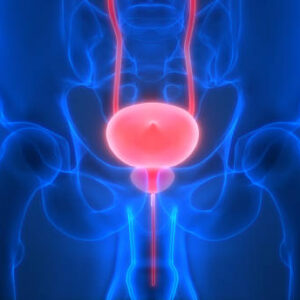
Laser Prostate Cancer Surgery

Laser Prostate Cancer Surgery

Laser prostate cancer surgery refers to a minimally invasive form that uses detail to treat prostate cancer. The specific type of surgery commonly used for prostate cancer is called ablation or laser interstitial thermotherapy (LITT).

A thin fiber is inserted through a small incision from the path of access to the prostate gland or from the perineum (the area between the scrotum and the anus). Decongestant prostate cancer. The energy is then powered through life and targeted towards the cancerous tissues in the prostate.

It heats up and destroys cancer cells while minimizing damage to healthy surrounding tissues. This procedure can be performed under general or local anesthesia, depending on the special use of storage and the surgeon’s preference.

It offers several potential advantages over traditional surgical options, such as open prostatectomy or radical prostatectomy.
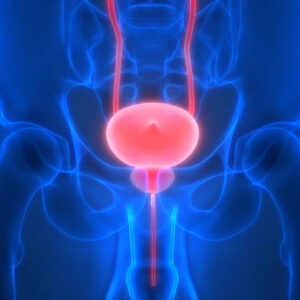
Laser Prostate Cancer Surgery

Advantages of Laser Prostate Cancer Surgery

The surgery is less invasive than open surgery, providing smaller cuts, less blood loss and potentially faster recovery times.

The box minimizes the damage to healthy structures by precisely targeting cancerous tissues.

Countering traditional surgical treatments can lead to less control, such as laser prostate cancer surgery, a reduced risk of abduction and erectile dysfunction.

In some shelters, it can also be performed on an outpatient basis and allows patients to give birth at their homes on the same day.

However, it is important to remember that surgery may not be suitable for all patients or all types of prostate cancer. The rule of undergoing an examination is usually given after a thorough evaluation of all complaints, including factors such as the stage and location of the cancer, general health and the expertise of the surgeon.

If you or someone you know feels that their results are very important, go to a urologist or oncologist who will give personalized recommendations and discuss the available treatment in such a way that they can evaluate it based on the person’s specific characteristics.

What Happens Laser Prostate Cancer Surgery?

A thin fiber is inserted into the prostate gland through the exit route or through a small Decision in the perineum (the area between the scrotum and anus). The energy is then powered through life and targeted towards the cancerous tissues in the prostate.

Energy warms and destroys cancer cells, while minimizing damage to healthy surrounding tissues. This procedure can be performed under general or local anesthesia, depending on the special use of storage and the surgeon’s preference.

Laser prostate cancer surgery offers several potential advantages over traditional surgical options, such as open prostatectomy or radical prostatectomy. You can contact us to find out more information.


Prostate cancer symptoms

Prostate Cancer Symptoms

It is a common type of cancer that affects men worldwide. It develops in the gland, which is a small walnut-shaped organ located under the bladder. Prostate cancer symptoms often progress slowly, and early detection plays a crucial role in successful treatment. This article aims to explore the symptoms, diagnosis, and available treatment options.

In the early stages, it may not cause obvious symptoms. However, the following signs and symptoms may occur as the disease progresses:

It can affect urinary function and cause frequent urination, especially at night. Men may experience weak or intermittent urine flow, difficulty starting or stopping urination, or a feeling that the bladder is not fully emptied.

Hematuria, blood in the urine, and hematospermia, that is, blood in the semen, may occur in some cases. These symptoms should never be ignored and should be promptly evaluated by a healthcare professional.

It can contribute to erectile dysfunction, making it harder for men to achieve or maintain an erection.

Advanced stages can cause pain or discomfort in the pelvic area, lower back, hips, or upper thighs. This pain may be persistent or occur intermittently. Early diagnosis greatly improves treatment outcomes.

prostate cancer symptoms

Prostate Cancer Symptoms Diagnostic Methods

Prostate Specific Antigen (PSA) Test: Prostate cancer symptoms, this blood test measures levels of PSA, a protein produced by the gland. High PSA levels may indicate the presence of cancer, but more research is needed to confirm the diagnosis.

Digital Rectal Examination (DRE): In this physical exam, the doctor inserts a gloved finger into the rectum to feel the size, shape, and texture of the gland. Any abnormality or suspicious area can also be evaluated.

Prostate Biopsy: A biopsy is done if PSA levels or DRE findings suggest the possibility of cancer. Using a needle, small tissue samples are taken from the gland and these samples are then examined under a microscope to determine whether cancer cells are present.

Treatment: Treatment options depend on several prostate cancer symptoms, such as the stage and aggressiveness of the cancer, as well as the patient’s overall health. Common treatment methods include:

Other Treatment Methods

Active Surveillance

For signs of slow-growing or early-stage prostate cancer, doctors may recommend close monitoring of the cancer without immediate treatment. Regular checkups and tests are done to make sure the cancer is not progressing.

Operation

It may be recommended for those with known, localized surgical removal. This procedure can be performed with open surgery or minimally invasive techniques such as laparoscopy or robot-assisted surgery.

radiation therapy

High-energy radiation is used to kill cancer cells and shrink tumors. It can be delivered externally (external beam radiation therapy) or internally (brachytherapy) using radioactive implants placed near it.

Hormone Therapy

Growth is often dependent on male hormones, specifically testosterone. Hormone therapy aims to lower testosterone levels or block its effects, thereby slowing cancer growth.

Chemotherapy

In advanced cases of prostate cancer symptoms or when other treatments have not been effective, chemotherapy drugs may be used to kill cancer cells in the body.

Prostate Cancer Symptoms

New Prostate Cancer Symptoms

Advanced may spread to the bones, leading to bone pain. Prostate cancer  symptoms common sites for bone metastasis include the spine, hips, and pelvis. If you experience unexplained bone pain or fractures, it is crucial to consult a healthcare provider.

Generalized fatigue, unexplained weight loss, and a decreased appetite may occur in advanced stages of . These symptoms are often associated with the body’s response to the cancer’s progression.

It is important to note that experiencing these symptoms does not necessarily indicate . They can be caused by various other conditions, such as benign prostatic hyperplasia (BPH) or urinary tract infections. However, if you notice any persistent or concerning symptoms, it is advisable to consult a healthcare professional for a proper diagnosis.

Recognizing the prostate cancer symptoms associated with is crucial for early detection and timely treatment. If you experience any of the symptoms mentioned above or have concerns about your health, it is essential to seek medical advice. Regular screenings, such as prostate-specific antigen (PSA) tests and digital rectal exams, are recommended for men over the age of 50 or those with a higher risk of prostate cancer. Remember, early detection greatly improves the chances of successful treatment and recovery.

What Are The Prostate Cancer Symptoms

Prostate Cancer Symptoms

If prostate cancer  symptoms, is detected, various treatment options are available depending on the stage and aggressiveness of the cancer. These may include surgery, radiation therapy, hormone therapy, chemotherapy, and targeted therapy. The choice of treatment will be determined by a healthcare professional, considering factors such as the patient’s age, overall health, and the extent of the cancer.

In addition to prompt medical intervention, there are measures individuals can take to reduce the risk of developing cancer:

  1. Healthy Lifestyle: Maintaining a healthy lifestyle can contribute to overall well-being and potentially lower the risk of the diagnosis. This includes adopting a balanced diet rich in fruits, vegetables, and whole grains, while limiting the consumption of red and processed meats. Regular physical activity and maintaining a healthy weight are also beneficial.
  2. Regular Check-ups: Men should have regular check-ups with their healthcare providers to monitor their prostate health. This may involve discussing any concerns, undergoing prostate-specific antigen (PSA) tests, and digital rectal exams. The frequency of these screenings will depend on individual factors, such as age and family history.
  3. Family History and Genetics: Having a family history of prostate cancer may increase the risk of developing the disease. It is important to inform healthcare providers about any family history or other related cancers, as genetic counseling and testing may be recommended.
  4. Awareness and Education: Prostate cancer symptoms being aware of the symptoms and risk factors are essential. Educating oneself about the disease and its prevention can help individuals make informed decisions regarding their health and seek medical attention when necessary.

The Healing Process After Treatment

Can vary among individuals, and some men may not experience any symptoms in the early stages. Regular screenings and proactive discussions with healthcare providers play a vital role in detecting prostate cancer early and initiating appropriate treatment. By adopting a healthy lifestyle and being proactive about prostate health, men can reduce their risk of developing this disease. Remember, early detection and timely treatment are key to improving outcomes and increasing the chances of a successful recovery.

This article is for informational purposes only and should not be used as a substitute for professional medical advice. Prostate cancer symptoms if you have any concerns, questions about it or its symptoms, please consult a qualified healthcare professional.


Urinary Incontinence Treatment

Urinary Incontinence Treatment

Unintentional urinary leakage is a common problem that may causes urinary incontinence treatment. In this article, we will examine the causes, types, and treatment options of this following prostate surgery.

Prostate surgery may cause to leak urine by accident. It damages the muscles and nerves that control the bladder and urinary sphincter. The type of surgery, such as radical prostatectomy or transurethral resection of the prostate (TURP), can also affect the likelihood and severity of urinary incontinence.

Urinary Incontinence Treatment And Its Types

Stress incontinence is the most common type of incontinence after prostate surgery. It occurs when physical activity puts pressure on the bladder, such as sneezing or coughing. Urge incontinence involves a sudden and strong urge to urinate, followed by involuntary urine leakage.

Urinary Incontinence treatment, overflow incontinence occurs when the bladder does not empty completely, causing it to constantly collect urine.

Urinary Incontinence Treatment

Urinary Incontinence After Prostate Surgery

Pelvic floor exercises,these exercises can help strengthen November muscles that control urination. A physiotherapist can provide guidance on the appropriate technique.

Medications, some medications, such as alpha blockers and antimuscarinics, can help manage urinary incontinence.

Incontinence pads, these absorbent pads can be worn inside underwear to manage urinary leakage.

Catheters, in some cases, a catheter may be required to help drain urine from the bladder.

Surgical options, if other management options fail, surgery may be required. Procedures such as artificial urinary sphincter implantation or placement of a male slingshot can help control bladder control issues.

Causes and types of urinary incontinence treatment, as well as management options, can help those who experience this condition take steps towards effective treatment and improved quality of life.

It is important to keep in mind that functional problems after prostate surgery is a common side effect. It does not necessarily indicate a complication or failure of the surgery. With patience, persistence, and the right management approach. Most of the men can regain bladder control and return to their normal activities.

prostate-laser-ablation

Prostate Laser Ablation

A minimally invasive surgical procedure used to treat benign prostatic hyperplasia (BPH). Prostate laser ablation (PLA) involves using a laser to destroy excess prostate tissue, which can relieve urinary symptoms associated with BPH. This article provides a comprehensive overview of PLA, including its indications, techniques, consequences, and potential complications.

Indications
PLA is typically recommended for men with moderate to severe urinary symptoms caused by BPH and not responding to medication or lifestyle changes. It may also be used for men who are not good candidates for traditional surgery due to factors such as age or underlying health conditions.

techniques
PLA can be performed using several different types of lasers, including the holmium:YAG laser, the thulium laser, and the green light laser. Each laser has advantages and disadvantages, and the choice of laser will depend on the size and location of the prostate, as well as the surgeon’s experience and preference.

During the procedure of prostate laser ablation, the surgeon inserts a small fiber optic instrument called a cystoscope through the urethra into the prostate. The laser energy is then delivered through the cystoscope, which destroys the excess prostate tissue. The procedure typically takes between 30 minutes and 2 hours, depending on the size of the prostate and the laser used.

Results

PLA has been shown to be an effective treatment for BPH, with studies reporting significant improvements in urinary symptoms, urinary flow rates, and quality of life. In addition, PLA has a lower risk of complications compared to conventional surgery such as transurethral resection of the prostate (TURP). Recovery time is also typically shorter, and most patients can return to their normal activities within a few days to a week.

Complications:
While PLA has a lower risk of complications compared to conventional surgery, potential risks and complications associated with the procedure still exist. These include bleeding, urinary tract infections, urinary incontinence, erectile dysfunction, and bladder neck contracture. However, these complications are relatively rare and most patients do not experience any significant side effects.

Prostate Laser Ablation Result

Prostate laser ablation is an effective and minimally invasive treatment option for men with BPH. There is a lower risk of complications compared to conventional surgery and the recovery time is typically shorter. While there are potential risks and complications associated with the procedure, most patients do not experience any significant side effects. Overall, PLA is a safe and effective option for men seeking relief from urinary symptoms associated with BPH.

Advances in PLA:
As technology continues to evolve, there have been advances in PLA techniques that further improve outcomes for patients. One such development is the use of imaging technologies such as MRI and ultrasound to direct laser energy to specific areas of the prostate that need to be removed. This targeted approach has resulted in more precise ablation and better preservation of healthy tissue, reducing the risk of complications.

Another development is the use of laser enucleation techniques, which involve using the laser to remove the entire prostate adenoma in one piece rather than cutting it. Prostate laser ablation has been shown to have similar results to conventional surgery with the added benefit of being minimally invasive.

Prostate Laser Ablation Cost-effectiveness


Prostate laser ablation is also a cost-effective treatment option compared to traditional surgery, due to its shorter hospital stay and reduced need for post-operative care. A study conducted in the United States found that PLA was associated with lower total costs compared to TURP, with similar clinical outcomes.

Patient Selection
It is important to note that not all patients with BPH are good candidates for PLA. Patients with large prostates or certain anatomical features may not be suitable for the procedure, and a thorough evaluation by a urologist is necessary to determine if PLA is the right treatment option.

It is an effective and safe treatment option for men with BPH who do not respond to medication or lifestyle changes. Advances in technology and techniques have further improved outcomes for patients, and the procedure is cost-effective compared to conventional surgery. However, patient selection is important and a thorough evaluation by a urologist is required to determine whether prostate laser ablation is the right treatment option. Overall, it is a minimally invasive and effective solution for men seeking relief from urinary symptoms associated with BPH.

prostate enlargement

Prostate Enlargement

Also known as benign prostatic hyperplasia (BPH), is a common condition that affects many men as they age.Prostate enlargement, In this article, we will discuss the causes, symptoms, and treatment options for prostate enlargement.

The exact cause of is not known, but it is believed to be related to changes in hormone levels as men age. The prostate gland, which is located below the bladder and surrounds the urethra, can enlarge and put pressure on the urethra, leading to urinary symptoms.

The symptoms of can vary, but often include:

Frequent urination
Difficulty starting urination
Weak urine stream
Dribbling after urination
Urgency to urinate
Inability to completely empty the bladder
Urinary tract infections
These symptoms can have a significant impact on a man’s quality of life, leading to sleep disturbances, anxiety, and depression.

Treatment options for prostate enlargement depend on the severity of symptoms and can include:

Prostate enlargement waiting, In some cases, mild symptoms may not require treatment, but regular check-ups with a healthcare provider may be necessary to monitor the condition.
Medications, alpha blockers and 5-alpha reductase inhibitors can help relax the muscles in the prostate and reduce its size.
Minimally invasive procedures, transurethral microwave therapy (TUMT), transurethral needle ablation (TUNA), and laser therapy can help reduce the size of the prostate.
Surgery, if symptoms are severe, surgery may be necessary to remove part or all of the prostate gland.

Prostate Enlargement Conclusion

İs a common condition that affects many men as they age. Although the exact cause is not known, changes in hormone levels are believed to play a role. The symptoms of can have a significant impact on a man’s quality of life, but there are treatment options available to help manage the condition. If you are experiencing symptoms of, it is important to talk to your healthcare provider about your options.

While prostate enlargement cannot be completely prevented, there are certain lifestyle changes that may help reduce the risk or delay the onset of symptoms. These include:

Maintaining a healthy weight
Staying physically active
Eating a healthy diet with plenty of fruits and vegetables
Limiting alcohol and caffeine intake
Managing stress
Regular check-ups with a healthcare provider can also help detect early and prevent complications.

Prostate Enlargement Complications

If left untreated, can lead to complications such as urinary tract infections, bladder stones, and damage to the kidneys. It is important to seek medical attention if you are experiencing symptoms of to prevent these complications from occurring.
İs a common condition that affects many men as they age, but there are treatment options available to manage the symptoms. Lifestyle changes and regular check-ups with a healthcare provider can also help prevent complications. If you are experiencing symptoms of prostate enlargement, do not hesitate to talk to your healthcare provider to discuss your options.

To diagnose, a healthcare provider will perform a physical exam and may recommend additional tests such as.

Prostate-specific antigen (PSA) test: This blood test measures the level of PSA, a protein produced by the prostate gland. Elevated PSA levels may indicate prostate enlargement or other prostate problems.
Urine flow study: This test measures the rate of urine flow and can help determine if the urinary symptoms are related to prostate enlargement.
Transrectal ultrasound: This test uses sound waves to create an image of the prostate gland and can help determine the size of the gland.
Biopsy: In some cases, a biopsy may be necessary to rule out prostate cancer as a cause of the symptoms.

laser-prostate-surgery

Laser Prostate Surgery

Laser prostate surgery is a minimally invasive procedure used to treat benign prostatic hyperplasia (BPH), a common condition in older men characterized by an enlarged prostate gland. This enlargement can cause urinary problems, such as weak urine flow, frequent urination, and difficulty emptying the bladder.

Offers several advantages over traditional surgical methods, including reduced blood loss, shorter hospital stays, and faster recovery. This article outlines postoperative care and recovery following including potential side effects, recovery timeline, and tips for a successful recuperation.

Temporary urinary incontinence: Some patients may experience difficulty controlling urination immediately after surgery. This usually improves over time.
Urinary tract infections (UTIs): UTIs may occur as a result of catheter use during surgery. Antibiotics may be prescribed to treat or prevent infection.
Retrograde ejaculation: This occurs when semen flows backward into the bladder instead of out through the urethra during ejaculation. While not harmful, it can affect fertility.
Erectile dysfunction: Erectile dysfunction is a rare side effect and typically temporary.

Laser Prostate Surgery Recovery Timeline

Recovery from laser prostate surgery varies between individuals but generally follows this timeline:

First 24 hours: Patients are usually discharged from the hospital within 24 hours following surgery. A urinary catheter may be in place to help drain urine during the initial recovery period.
First week: Patients are advised to rest and avoid strenuous activities. The catheter is typically removed within a few days to a week.
Two to four weeks: Most patients can gradually resume normal activities, but heavy lifting and vigorous exercise should still be avoided.
Four to six weeks: Full recovery is typically expected within four to six weeks, with most patients returning to their usual activities without restriction.

Tips for a Successful Recovery

Follow postoperative instructions: Adhere to the surgeon’s guidelines regarding medication, activity restrictions, and wound care.
Stay hydrated: Drinking plenty of water can help flush out the bladder and reduce the risk of UTIs.
Avoid constipation: Straining during bowel movements can cause discomfort and slow healing. Patients should eat a high-fiber diet and consider using stool softeners as needed.
Monitor for complications: Notify the healthcare provider if signs of infection or other complications arise, such as fever, severe pain, or difficulty urinating.
Attend follow-up appointments: Regular follow-up appointments are essential to monitor healing progress and address any concerns.

Laser prostate surgery is a minimally invasive and effective treatment option for BPH. With proper postoperative care and adherence to recovery guidelines, most patients can expect a successful outcome and relief from urinary symptoms. Consultation with a qualified healthcare provider is necessary to determine if laser prostate surgery is the most appropriate treatment option based on individual needs and medical history.