
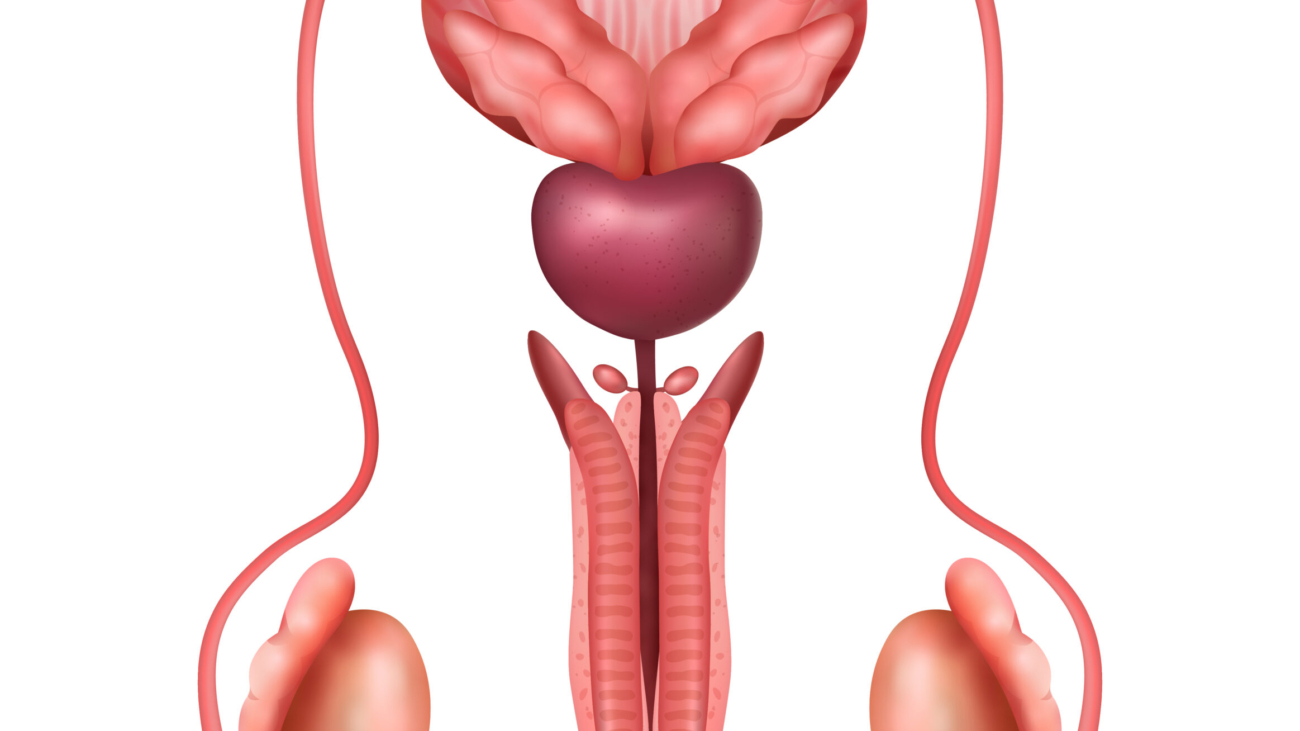
Unintentional urinary leakage is a common problem that may causes urinary incontinence treatment. In this article, we will examine the causes, types, and treatment options of this following prostate surgery.
Prostate surgery may cause to leak urine by accident. It damages the muscles and nerves that control the bladder and urinary sphincter. The type of surgery, such as radical prostatectomy or transurethral resection of the prostate (TURP), can also affect the likelihood and severity of urinary incontinence.
Urinary Incontinence Treatment And Its Types
Stress incontinence is the most common type of incontinence after prostate surgery. It occurs when physical activity puts pressure on the bladder, such as sneezing or coughing. Urge incontinence involves a sudden and strong urge to urinate, followed by involuntary urine leakage.
Urinary Incontinence treatment, overflow incontinence occurs when the bladder does not empty completely, causing it to constantly collect urine.
Urinary Incontinence After Prostate Surgery
Pelvic floor exercises,these exercises can help strengthen November muscles that control urination. A physiotherapist can provide guidance on the appropriate technique.
Medications, some medications, such as alpha blockers and antimuscarinics, can help manage urinary incontinence.
Incontinence pads, these absorbent pads can be worn inside underwear to manage urinary leakage.
Catheters, in some cases, a catheter may be required to help drain urine from the bladder.
Surgical options, if other management options fail, surgery may be required. Procedures such as artificial urinary sphincter implantation or placement of a male slingshot can help control bladder control issues.
Causes and types of urinary incontinence treatment, as well as management options, can help those who experience this condition take steps towards effective treatment and improved quality of life.
It is important to keep in mind that functional problems after prostate surgery is a common side effect. It does not necessarily indicate a complication or failure of the surgery. With patience, persistence, and the right management approach. Most of the men can regain bladder control and return to their normal activities.

